Autumn and the winter months are ideal for gathering natural dye plants. Many trees, berries, and roots are fully ripe and offer a wide range of vibrant colours. Here’s a list of plants you can forage for dyeing in the UK during the autumn months, along with the colours they typically yield:
Berries
Blackberries
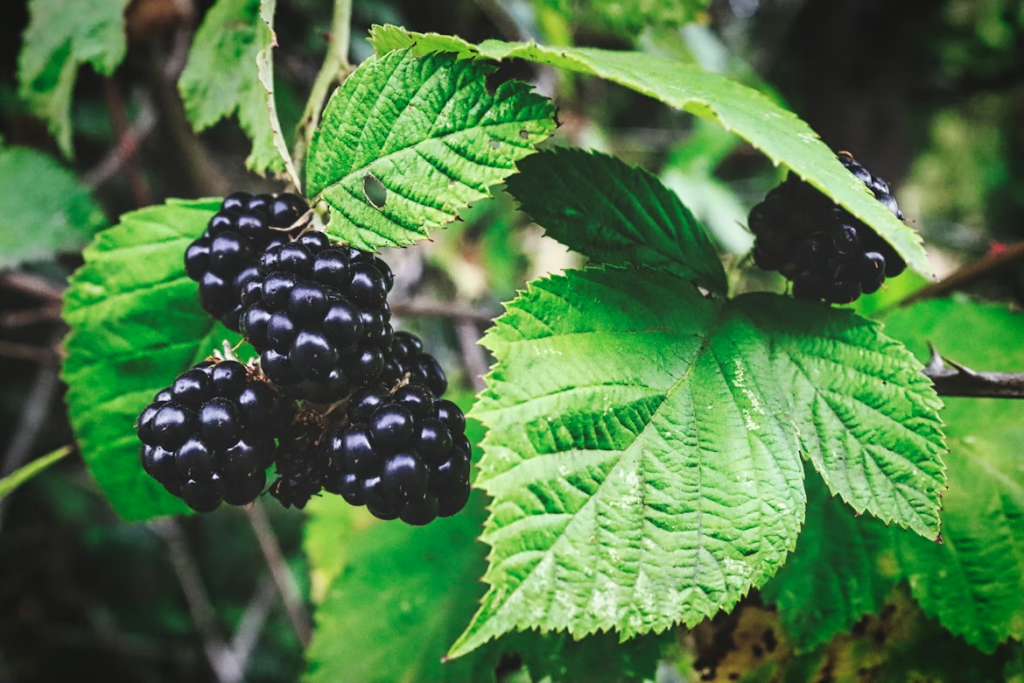
Image Credit: David J. Boozer via Unsplash
Blackberries produce shades of soft purple, lavender, and blue. The colours are somewhat fugitive and will fade over time without a fixative. They’re best used fresh or frozen for later.
Elderberries

Image Credit: Alla Kemelmakher via Unsplash
Elderberries yield dark purples and blues that can be enhanced by using a mordant like alum. These berries grow in clusters and are often abundant on elder trees during early autumn.
During the winter months, it is possible to use the leaves of elderberry trees which yield soft green shades.
Sloe Berries

Image Credit: R Spegel via Unsplash
Sloeberries are found on blackthorn bushes and can produce blue and greyish-purple hues. Sloes are also somewhat light-sensitive but can produce lovely shades on wool and silk.
Hawthorn Berries

Image Credit: Griffin Quinn via Unsplash
These red berries yield light pink and soft beige tones. They’re found on hawthorn bushes and are common in hedgerows and woodland edges.
Tree Bark and Roots
Birch Bark

Image Credit: John Price via Unsplash
Birch bark can be collected from fallen branches (avoid harming live trees). It can yield beautiful light yellows to pale pinks and browns.
Walnut Hulls

Image Credit: shahab yazdi via Unsplash
The outer green hulls of walnuts are often found around wild or cultivated walnut trees. They produce a rich, deep brown without a need for a mordant. They are ideal for dyeing wool and other protein fibres.
Oak Galls

Image Credit: Steve Richey via Unsplash
These are small, woody growths often found on oak trees. They contain tannins that give a strong grey-brown to black colour. This is especially true when used with iron as a mordant.
Dock Root (Rumex spp.)
The roots of the common dock plant can yield shades of brown, yellow, and even coral. Dock plants are commonly found in open fields and grassy areas.
Leaves
Maple and Oak Leaves
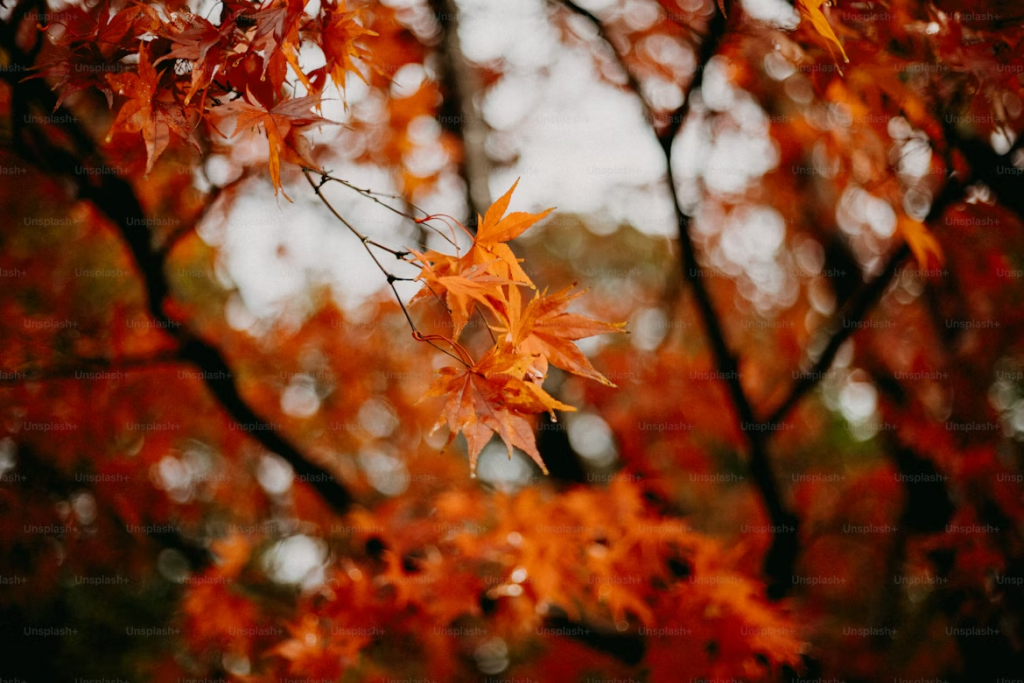
Image Credit: Annie Spratt via Unsplash

Image Credit: Julia Ly via Unsplash
Autumn leaves from maple and oak trees can create a range of yellows, golds, and browns. Fallen leaves, when gathered fresh, can be used to produce soft, earthy tones on fibres.
Birch Leaves

Image Credit: Colfra via Unsplash
Birch leaves offer a soft yellow dye. They are particularly useful in combination with alum mordants. This combination produces a brighter, longer-lasting colour.
Ivy Leaves and Berries

Image Credit: Vijayalakshmi Nidugondi via Unsplash
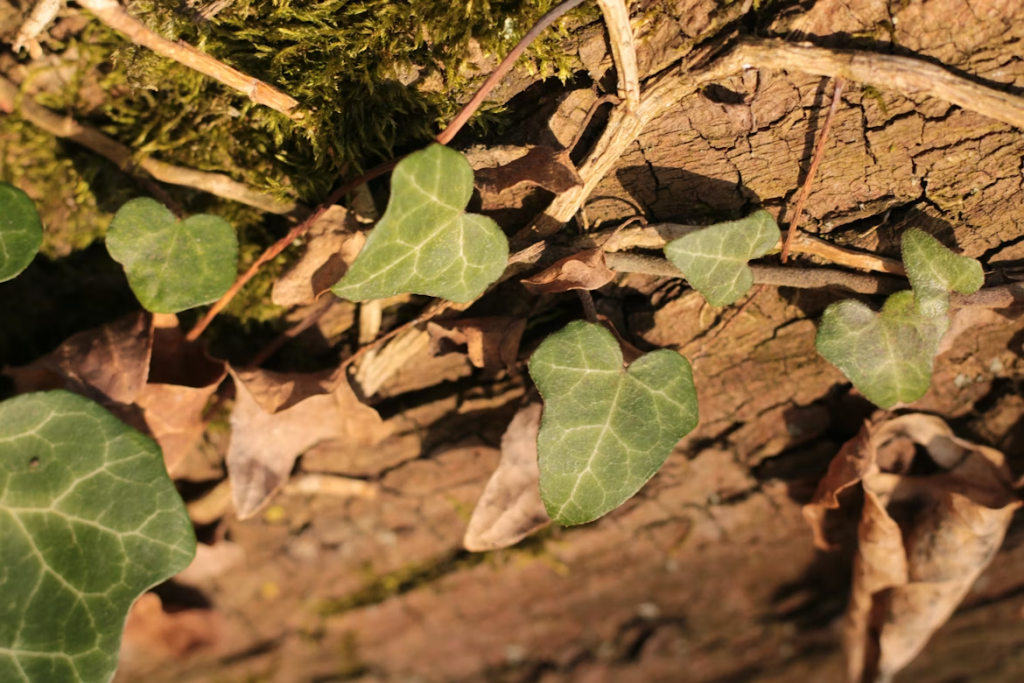
Image Credit: Theo Lonic via Unsplash
Ivy berries are available from late autumn through to winter.
Ivy leaves are available all year round. Autumn and winter is a good time to harvest them while collecting other items. They can yield light yellow to greenish tones on wool.
Flowers and Seed Pods
Goldenrod

Image Credit: Jeffrey Hamilton via Unsplash
This wildflower, often found on roadsides and in meadows, it blooms into late summer and early autumn. Its flowers produce rich, golden yellows that are vibrant on wool, cotton, and silk.
Gorse Flowers

Image Credit: Jonathan Borba via Unsplash
Gorse flowers bloom sporadically in autumn and yield beautiful yellow dyes. Look for them in hedgerows and wild grasslands.
Dyer’s Chamomile
Dyer’s Chamomile (Anthemis tinctoria): If you find it still flowering in early autumn, Chamomile can give vibrant yellows. This is especially true on protein fibres.
Nuts and Hulls
Acorns

Image Credit: Alfred Schrock via Unsplash
- Acorns: Acorns contain tannins. These tannins make them useful for mordanting. They are also used for producing warm browns and greys on wool and cotton.
Chestnuts

Image Credit: Jez Timms via Unsplash
Chestnut Husks: Sweet chestnut husks yield a tan to rich brown colour. You can find them in woodlands and parks during the autumn when chestnuts fall from trees.
Fungi

Image Credit: Sean Thorn via Unsplash
Dyer’s Polypore (Phaeolus Schweinitzii): This mushroom is found near coniferous trees. It is highly prized by dyers for its strong, stable yellows and golds.
Note: Be sure to correctly recognise this and other fungi, as some mushrooms are toxic.
Foraging and Dyeing Tips
Use a Mordant: Many foraged plants yield brighter, longer-lasting colours when used with mordants like alum or iron. Tannins found in certain plants like acorns and oak galls can also act as a natural mordant.
Be Mindful of Lightfastness: Some foraged dyes, especially from berries, fade over time. If you’re dyeing for something decorative, they still create beautiful colours. But, they are not ideal for garments intended for long-term use.
Sustainable Foraging: Only take what you need, and avoid over-harvesting from any single area. Foraging responsibly helps keep wild plant populations and protects local ecosystems.
Experiment with Combinations: You can layer colours using two dye baths in succession. Another choice is combining plants in a single bath. For example, walnut hulls followed by an oak gall bath can create richer browns.
Foraging for natural dyes in autumn connects you with nature’s seasonal cycles and offers a stunning palette of colours. This small-batch, sustainable approach to dyeing celebrates the beauty of locally foraged plants. It helps create textiles that capture the colours and memories of the season.
Leave a Reply