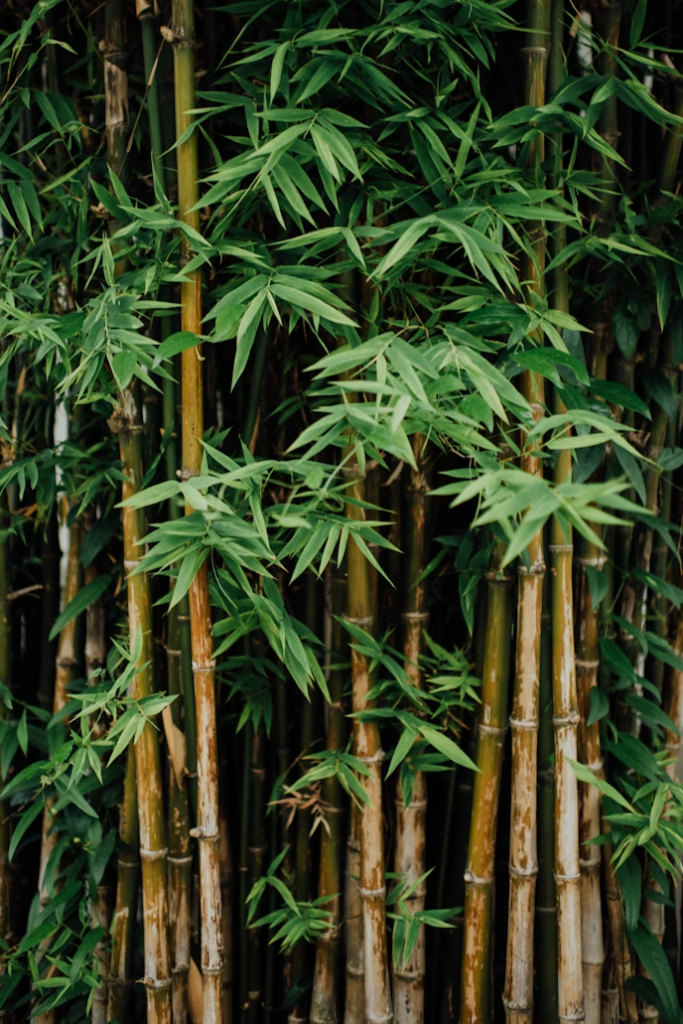
Image Credit: CHUTTERSNAP via Unsplash
Bamboo—it’s not just for panda snacks anymore. This fast-growing grass has taken the sustainable fashion world by storm, popping up in everything from socks to sheets to workout wear. But is bamboo fabric really as green as it sounds?
Let’s dive into how it’s made and weigh up the pros and cons so you can decide if bamboo belongs in your wardrobe.
First Things First: What Is Bamboo Fabric?
Bamboo fabric is made from the pulp of bamboo plants, which are turned into fibres and spun into thread. But here’s the twist: surprisingly, not all bamboo fabric is made the same way. There are three main types:
- Bamboo Viscose/Rayon – The most common type. Made using a chemical-heavy process to dissolve bamboo pulp into a fibre.
- Bamboo Lyocell – A more sustainable version, made using a closed-loop process (similar to Tencel).
- Bamboo Linen – The greenest, but a rare and more expensive version made mechanically without chemicals, just like traditional flax linen.
Tip: Something I recently learned is that when people mention “bamboo fabric,” they’re usually referring to bamboo viscose—unless it’s specifically labelled otherwise.
Pros of Bamboo Fabric
However, Bamboo can be a great choice—and here’s why:
Fast-Growing & Renewable
Bamboo is one of the fastest-growing plants on Earth. It doesn’t need replanting, it uses very little water, and grows without pesticides. A major sustainability win!
Super Soft & Breathable
Bamboo fabric is incredibly soft—think cashmere vibes. It’s also breathable, lightweight, and feels cool on the skin, which makes it perfect for summer clothes, underwear, and sleepwear.
Moisture-Wicking & Antibacterial
Many bamboo fabrics are naturally moisture-wicking and resist odour-causing bacteria (although this can fade with washing). Bamboo fabric is great for activewear and for people with sensitive skin.
Biodegradable
When untreated and pure, bamboo fabric is biodegradable. That means it’ll break down naturally over time, unlike synthetic fabrics that live on in landfills forever.
Cons of Bamboo Fabric
But wait—there is more to the story:
Chemical Processing (for viscose)
The most common bamboo fabric (bamboo viscose) is made using harsh chemicals like sodium hydroxide and carbon disulfide, which can be harmful to workers and the environment if not properly managed.
Greenwashing Risk
“Bamboo” sounds like it’s sustainable, but unless it’s labelled bamboo lyocell or mechanical bamboo, it probably went through a toxic process. Always check the label and look for brands that are transparent about how their bamboo is sourced and processed.
Cost & Quality Variability
Some bamboo fabrics pill easily or lose softness over time, depending on how they’re processed and while bamboo linen is super sustainable, it can be more expensive and hard to find.
A Quick Tip: Look for These Labels
When shopping for bamboo fabric, keep your eyes out for:
- OEKO-TEX certification – means the fabric is free from harmful substances
- Bamboo Lyocell – your best bet for a sustainable and safe version
- Closed-loop processing – ensures chemicals are reused and not dumped
Final Thoughts: Is Bamboo Fabric Worth It?
The answer: it depends.
If you’re buying bamboo Lyocell or bamboo linen, it’s a great sustainable option—soft, breathable, and eco-conscious. But if it’s bamboo viscose from an unknown source, you may want to think twice or dig a little deeper into the brand’s practices.
As always, sustainability is about progress, not perfection. Being an informed shopper is the first step, and now you’ve got the knowledge to make a smart, planet-friendly call.
If you’ve enjoyed this post and want to explore more content around sustainability, creativity, local history, and mindful living, I’d love for you to subscribe to my blog. By subscribing, you’ll get updates whenever new posts go live, including behind-the-scenes insights, thoughtful reflections, and practical tips you won’t find anywhere else. It’s a great way to stay connected and support independent, research-driven writing.
Leave a Reply