
The History of Polebank House, Hyde
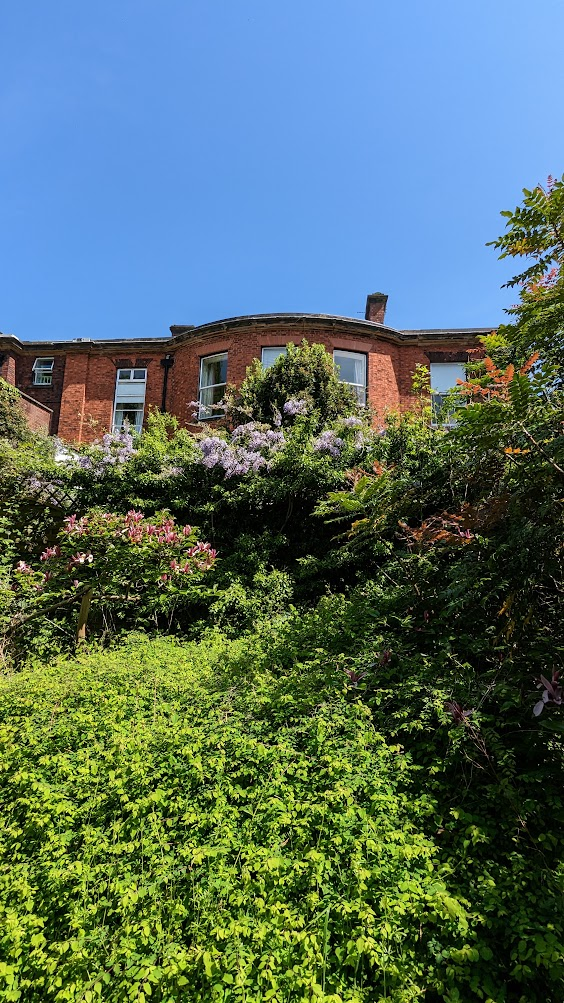
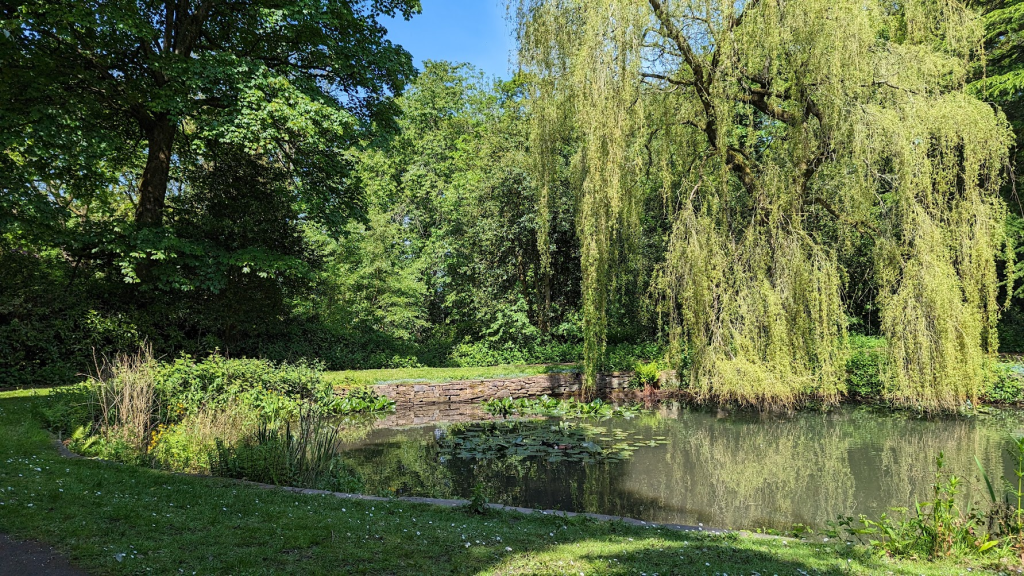
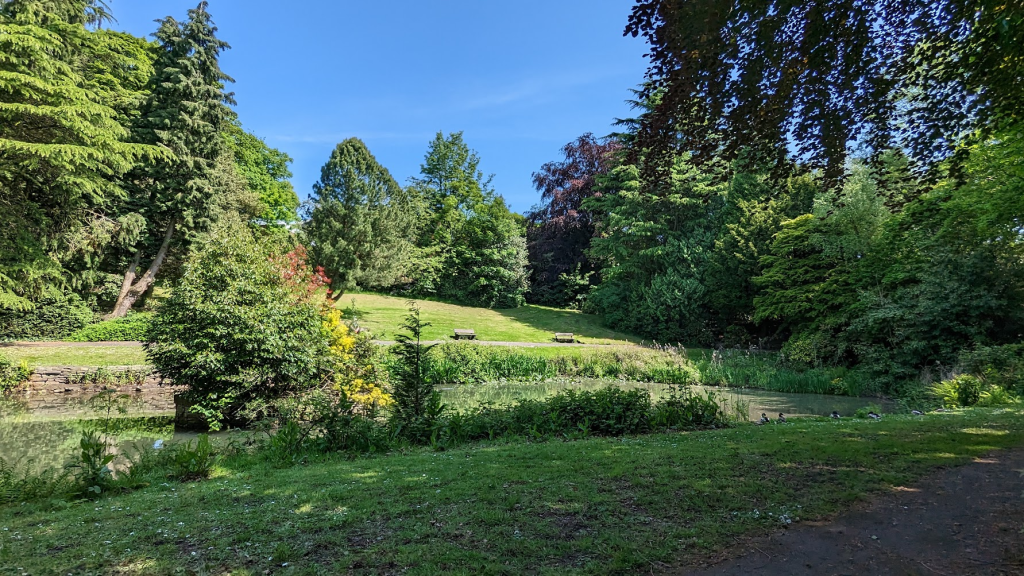
My images of Polebank Hall and Grounds
The Story of Polebank House (Polebank Hall)
Polebank House, now known as Polebank Hall, stands today as a retirement home in Hyde. Although its purpose has changed, the building carries a long and fascinating history. Built around 1820, it has been home to influential families, industrial innovators, and notable local figures.
The Ashton Family and the Building of Polebank House
Polebank House was built by Samuel Ashton Junior (1773–1849). He was the son of Samuel Ashton Senior (1742–1812) and Mary Oldham, a family of Yeoman Farmers from Gee Cross. Samuel Senior had four sons: James, Thomas, William and Edward.
Samuel Junior inherited the Gerrards estate and built Polebank House around 1820. He lived there until his death in 1849. His wife Mary had died earlier, in 1836.
James Ashton
James (1807–1866), Samuel Senior’s second son, married Elizabeth Bailey (1811–1843) in 1834. They lived at Highfield House in Bredbury, Stockport, but had no children.
James later met Frances. Although they never married, they had three children:
- Philip
- Robert (who died young)
- Elizabeth
Benjamin Ashton
Benjamin Ashton (1813–1889), the third son, inherited his father’s fortune and lived at Polebank House. He ran Astley Deep Pit in Dukinfield “on a very laissez‑faire basis.” At the time, the pit was 3,000 feet deep, making it the deepest mine in England.
What “laissez‑faire” Means
Laissez‑faire is a French term meaning “let do” or “let it be.” In business or management, it describes an approach with minimal interference, allowing people or organisations to operate independently.
Benjamin himself lived a quiet and eccentric life. A court case after his death revealed he had signed a cheque for £1,375 to a mysterious lady who later disappeared. His maid, who unusually slept and ate in the same room as him, was discouraged from wearing better clothes. Benjamin wore clothes without buttons, using string instead.
When he died, Benjamin left £224,860 (around £30 million in 2021). His estate passed to his nephews Arthur Godfrey Buchardt (1854–1953) and Frederick Buchardt, sons of Otto Ernest Lebrecht Buchardt, a Prussian merchant and consul, and Jane Ashton, Benjamin’s sister. Arthur later changed his name to Buchardt‑Ashton in gratitude.
Polebank House After the Ashtons
Thanks to the generosity of its last private owner, George Byrom, Polebank House still stands today. The building is now a care home, but the grounds remain open as a public park.
It is believed the Buchardts did not live at Polebank. Instead, the house was sold to Thomas Beeley. (1833–1908)
The Beeley Family at Polebank House
Thomas Beeley (1833–1908)
Thomas was born in Hayfield to Samuel Beeley (1793–1861) and Mary Jackson. His early career began as a cloth looker at Marlor’s Mill in Newton. He later joined Daniel Adamson’s works, rising from timekeeper to General Manager.
In 1867, Thomas founded the Hyde Junction Iron Works, specialising in boiler production. He never advertised, relying solely on word of mouth, yet secured major contracts with engineering firms and government departments.
Thomas married Elizabeth Carter (1830–1901). They lived at Peak House in Dukinfield before moving to Polebank House in the 1890s. Thomas died in 1908 at the Imperial Hotel in Blackpool while recovering from heart problems.
Thomas Carter Beeley (1869–1909)
Thomas Carter Beeley took over the business and entered public life. He became Mayor of Hyde in 1899 at just 30 years old. He lived at Bowlacre with his wife Jessie Ann Alexander Milligan (1868–1930), and they had six children.
Elizabeth Edith Beeley (1867–1899)
Thomas’s sister Elizabeth married Edward Wood Calvert (1866–1905), a Manchester solicitor. After retiring, Edward briefly lived on a farm in Hampshire before emigrating to South Africa, where he died in Germiston in 1905.
Thomas Kerfoot and the Later Years of Polebank House
In 1920, Thomas Kerfoot (1840–1936) was living at Polebank House. Born in Patricroft, he apprenticed as a chemist in Hyde before purchasing a long‑established chemist’s business on London Road, Manchester.
Kerfoot expanded into manufacturing and later moved his operations to Chester Street, then Bardsley Vale after a fire in 1896. His company produced Vapex, Kerocain, Mineral Spring Health Granules, and later Mepacrine, an anti‑malarial drug used by troops.
Thomas married Mary Ann Elizabeth Hodgson (1854–1881), who died young, leaving him with their son Ernest Hodgson Kerfoot (1879–1944). Ernest and his sons joined the business, which continued until it was bought by Medeva plc in 1990.
Thomas never remarried. After living at Polebank, he moved to Springwood Hall in Bardsley, where he died in 1936 shortly after his 96th birthday.
Polebank House Today
Polebank Hall remains a familiar landmark on Stockport Road in Hyde. Although it now serves as a retirement home, its grounds continue to welcome visitors, preserving a small piece of Hyde’s history.
References
Allan Prussell (2022). 100 Halls Around Manchester Part 79: Pole Bank, Hyde. Accessed 26 Apr. 2023.
Geograph Britain & Ireland – Pole Bank Geograph.org
A detailed shared description confirming key historical facts:
- Originally home to the Ashton and Beeley families
- Rented by Thomas Kerfoot (1912–1919)
- Purchased by George Frederick Byrom in 1920 for £4,200
- Bequeathed to Hyde Corporation in 1946
- Now a care home, with grounds open as a public park
British Listed Buildings – Pole Bank Hall
Provides architectural details and confirms:
- Grade II listing
- Early 19th‑century construction
- Location and structural description
Bakewell, R. (2026). The Growth to Gentry for the Ashton Family. Rachel’s Cottage Studio. Available at: https://rachelscottagestudio.co.uk/2026/03/15/the-growth-to-gentry-for-the-ashton-family/ (Accessed 23 July 2026).